
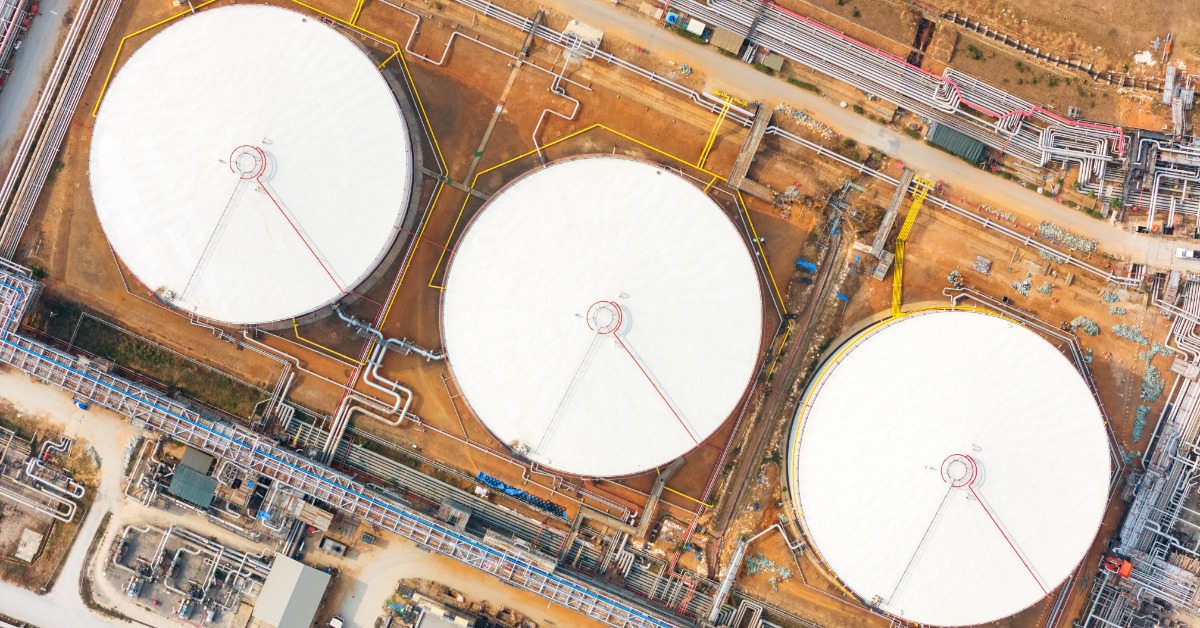
When you install a commercial tank liner, you expect it to remain dependable long after installation. The liner has to keep doing its job as your tank moves through regular operation and scheduled maintenance. When failure happens earlier than expected, the visible damage rarely tells the entire story. What looks like a tear near a fitting may have started with an inaccurate measurement.
Understanding why some commercial tank liners fail prematurely means looking beyond the point where the damage appeared. Instead, consider what the liner has experienced since the project began.
Choosing the Wrong Material
Material selection directly affects how long your liner can perform. Even a well-fabricated liner will struggle if its material does not suit what you store in the tank. Give your liner manufacturer more than a general description of the application. The material needs to match the substance it will contact under actual operating conditions.
Think about what the liner will experience from the day it enters service. If your process changes the concentration of a chemical, include that information before fabrication. Also account for any cleaning solution that regularly contacts the liner.
Describe the Application
Tank dimensions tell your manufacturer how large the liner needs to be, but they don't explain what the liner must withstand.
Before you finalize a commercial tank liner, gather the information that defines the application:
- Exact contents stored in the tank
- Expected chemical concentration
- Normal operating temperature
- Maximum process temperature
- Tank construction and interior condition
- Cleaning procedures that contact the liner
- Known penetrations or internal features
Once your manufacturer understands these conditions, material selection becomes much more specific to your operation.
Chemical Compatibility
Even after you identify your tank contents, you still need to consider how your process affects them. For instance, a liner that performs well under one chemical concentration should not automatically be treated as suitable for a substantially different one.
Rather than asking whether a liner generally resists a particular chemical, describe how that chemical is used in your facility. Share the concentration you normally work with. If your process changes that concentration, make that clear before the liner is selected.
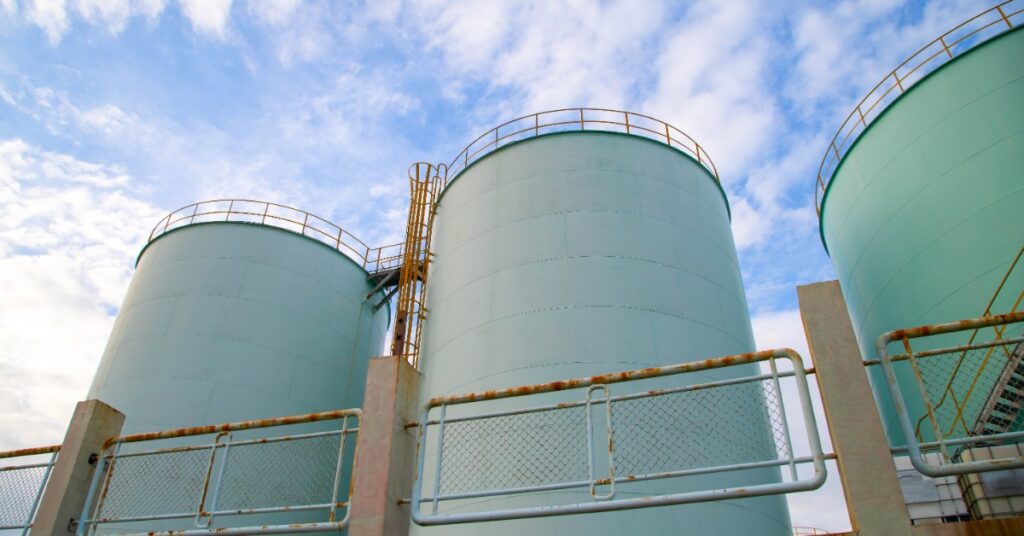
Excessive Temperature Can Shorten Liner Life
Once you confirm chemical compatibility, focus on temperature. Every liner material has operating conditions it is designed to handle. If your process repeatedly exceeds those conditions, the liner can lose important performance characteristics and begin deteriorating earlier than expected.
High heat can affect flexible materials over time. Very low temperatures can also change how some liners respond to stress. When you discuss temperature with your manufacturer, do not stop at the highest number shown on a process sheet. Explain how long the liner remains exposed to that temperature.
A short peak creates a different service condition than continuous elevated heat throughout a production cycle. Making that distinction helps the manufacturer evaluate the application more accurately.
Poor Fit Places Stress
Next, look at how the liner fits the tank. A flexible liner should follow the tank's actual dimensions without being forced unnaturally across structural features. When the fit is incorrect, routine operation can put tension on areas not designed to carry it.
This often happens when project teams rely too heavily on nominal dimensions. Original drawings give you a useful reference, but an older commercial tank may no longer match them exactly. Previous repairs and modifications can also change the interior.
Accurate field measurements help you avoid this problem. If your tank has an unusual shape, document it before fabrication. Solving a dimensional issue during design is much easier than correcting it after the liner reaches your facility.
Abrasion Can Develop Behind the Liner
Not every source of liner damage sits on the side you can easily inspect. The condition of the tank surface behind a flexible liner also influences long-term performance. If a liner repeatedly moves against a rough area, abrasion can gradually affect the material.
This concern becomes especially relevant in older tanks where the interior has changed over years of service. Before installation, inspect the substrate with the liner in mind. Remove loose debris that could press against the material, and address sharp projections according to your lining system's requirements.
You do not need to make every older tank look new before adding a flexible liner. However, you do need to understand what will sit directly behind that liner once the tank goes back into service.

Penetrations and Seams Need Extra Attention
Broad wall surfaces are easy to focus on because they occupy most of the tank. Yet some of the most demanding areas are much smaller. Consider a pipe penetration. The liner has to accommodate that opening while maintaining the intended containment. If the penetration is measured incorrectly, the surrounding material can experience unnecessary tension.
Seams also deserve careful attention because they connect sections of the finished liner. Poor alignment can create wrinkles that change how stress moves through the material. During installation, make sure these detailed areas sit where the design intended.
Maintenance Practices Can Damage a Good Liner
By this point, your liner has already passed through material selection and installation. The next major risk comes from how people treat it during service. Maintenance work can introduce hazards the liner never encounters during normal tank operation.
A dropped tool can create a concentrated impact point. Equipment placed directly against the liner can also damage its surface. Even routine access can cause wear when crews aren't thinking about what sits beneath their feet.
Before anyone enters the tank, include liner protection in the job plan. Use protective barriers where tools or equipment could contact the lining. Make sure workers understand which cleaning practices suit the material.
Give Your Commercial Tank Liner a Stronger Start
A commercial tank liner rarely fails prematurely without an underlying reason. In many cases, the original specification did not fully reflect the operating environment. In others, damage developed after installation.
You can reduce those risks by treating the liner as part of your complete containment system. Start with accurate information about your process. Make sure field measurements reflect the tank as it exists today. Once the liner enters service, protect it whenever crews work inside or around the tank.
If you are replacing a liner that failed sooner than expected, take the opportunity to address the cause before installing the next one. Flexi-Liner offers custom commercial tank liners designed around your tank, operating conditions, and application requirements.
Share the details of the previous failure with our team so we can help you identify the factors that need attention and move forward with a better-informed solution. Contact Flexi-Liner today to start planning your replacement with a clearer understanding of what your tank needs.