
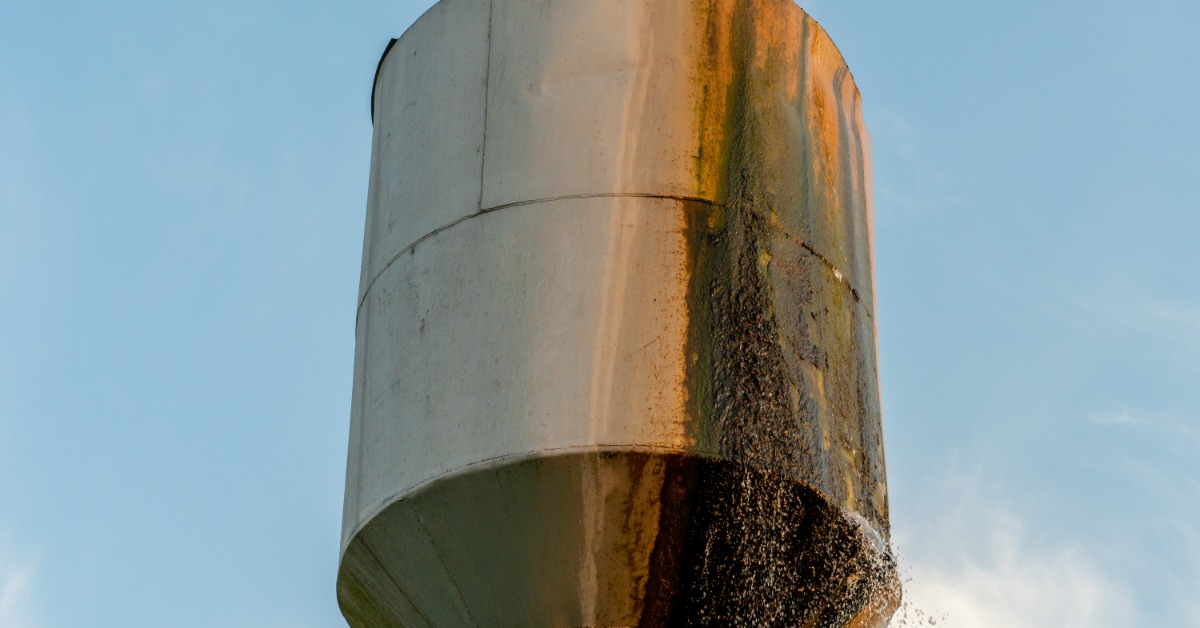
Secondary containment liners help protect facilities from leaks and chemical exposure. Water treatment plant owners and facility owners rely on these systems to support environmental control and reduce operational risk.
A containment liner must handle daily exposure from stored liquids and facility conditions. Small defects can create larger problems when inspection schedules and design details do not match the operating environment.
Material selection, fabrication quality, and fit all affect long-term performance. These are the common failure points in secondary containment liners to know.
Why Secondary Containment Liner Failures Matter
Secondary containment systems protect the area around tanks and process equipment. They help control spills before liquids reach floors, drains, soil, or nearby equipment.
A liner failure can interrupt operations and create cleanup costs. It can also increase regulatory concerns for facilities that handle water treatment chemicals or industrial liquids. Many failures start with minor stress at seams or corners. Routine inspection helps catch those issues before the liner loses integrity.
Facility owners should view liner performance as part of asset protection. A well-designed liner supports safer storage and longer tank service life.
Poor Material Selection
Material selection plays a major role in liner performance. Each storage area has different exposure risks based on chemical type and liquid concentration. Some materials resist certain chemicals better than others. A liner that works in one tank may not suit another process area.
Temperature also affects material performance. High heat can weaken certain liner materials and low temperatures can reduce flexibility. A custom liner service should review the stored liquid before fabrication, including factors like concentration, temperature, exposure time, and cleaning practices.
Weak Or Damaged Seams
Seams create one of the most important areas in a secondary containment liner. Poor seam fabrication can create paths for leaks. Seam failure may occur when heat welding or bonding does not match the liner material. It can also occur when field conditions limit proper installation control.
Long containment areas often need multiple panels. Each panel connection must maintain strength across the full seam length. Inspection teams should pay close attention to seams after installation. Early signs can include lifting edges or visible gaps.
A strong seam should support normal movement and fluid exposure. Custom fabrication helps reduce unnecessary seams and improve fit.
Improper Fit Around Corners
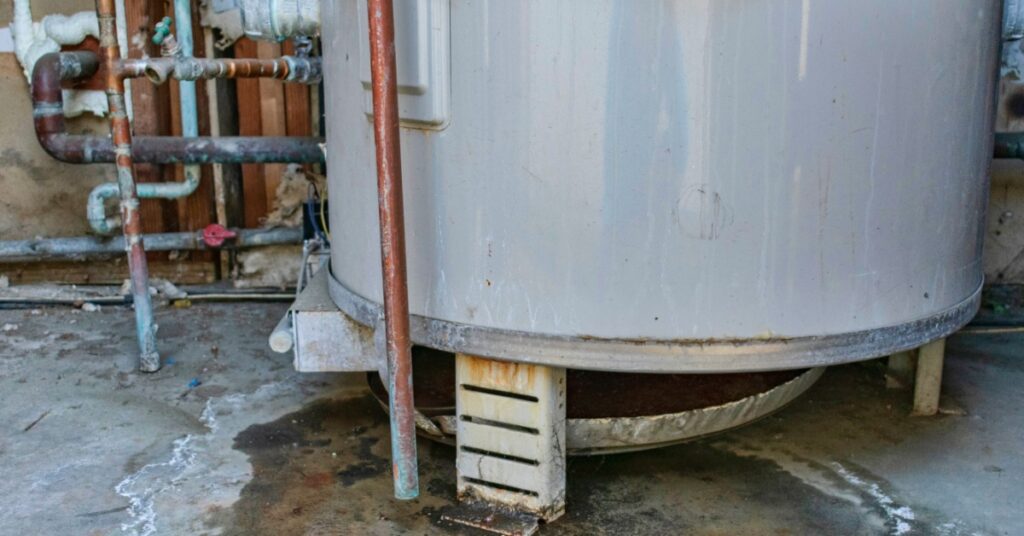
Corners create stress in containment areas. A liner that pulls tight across corners can stretch under liquid weight or thermal movement.
Custom liner fabrication should account for the exact containment shape. Measurements must include corners, transitions, penetrations, and equipment bases. A liner that fits correctly places less strain on the material. It also allows the surface to sit properly during operation.
Facility owners should avoid forcing a liner into place. Forced installation can create hidden stress that causes early failure.
Damage From Sharp Edges
Sharp edges can cut or abrade liner material. Common sources include metal brackets, rough concrete, exposed fasteners, and tank supports.
Secondary containment liners often sit near heavy equipment. Minor contact from tools or components can create surface damage. Surface preparation can reduce this risk. Installers should remove rough areas and cover exposed edges before liner placement.
Protective padding may help in high-contact areas. A custom liner provider can recommend reinforcement where the layout creates extra wear. Damage from sharp edges can appear as cuts or scratches. Over time, those marks may develop into leaks.
Inadequate Surface Preparation
The liner depends on the surface beneath it. Dirt, moisture, debris, and rough patches can interfere with proper placement.
Concrete containment areas often require cleaning before installation. Metal surfaces may need edge treatment or corrosion removal.
Surface preparation should happen before final liner placement. This step helps the liner rest evenly and reduces premature abrasion. A clean surface also makes inspection easier. Visible defects stand out faster when debris does not hide the liner surface.
Chemical Exposure Beyond Design Limits
A liner must match the expected chemical exposure. Problems develop when stored liquids change without a liner review.
Water treatment plants may adjust chemicals over time. Process changes can introduce stronger concentrations or different cleaning agents.
Chemical compatibility should guide every process change. Keep records of stored liquids and liner materials, as this information helps maintenance teams evaluate future risk.
Signs of chemical stress include brittleness and discoloration. Soft spots may also indicate material breakdown.
UV And Weather Exposure
Outdoor containment areas face sunlight and weather. UV exposure can weaken materials that lack proper resistance. Rain and standing water can also affect liner performance. Poor drainage may increase weight and create added stress.
Wind can move loose sections near exposed edges. This movement can lead to abrasion and lifted seams.
Outdoor liners need material and design choices that match site conditions. UV resistance and secure edge details can improve service life. Regular outdoor inspections should follow major storms. Severe weather can expose weak points quickly.
Installation Errors
Installation quality affects every containment liner. Even strong materials can fail after poor handling or rushed placement.
Common installation problems include misalignment and trapped debris. Improper anchoring can also create stress along edges.
Installers should follow the liner design and approved layout. Field changes should not occur without review.
Handling also matters during placement. Dragging material across rough surfaces can create scratches before service begins. A qualified liner service supports better installation planning. Coordination with contractors and engineers helps protect the final fit.
Lack Of Routine Inspection
Secondary containment liners need regular inspection. Facility teams can find early warning signs before leaks develop. Teams should also check for cuts and chemical damage.
Helpful inspection points include:
- Seam edges and panel connections
- Corners and folded areas
- Pipe penetrations and drains
- Areas near supports and equipment
- Surfaces exposed to cleaning chemicals
- Outdoor edges and anchor points
Inspection records help track changes over time. They also support better maintenance decisions.
Small defects should receive prompt attention. Delayed repair can allow damage to spread across the liner system.

Poor Drainage and Standing Liquids
Standing liquids can shorten liner life. Liquids that remain on the surface increase exposure time and add weight.
Secondary containment areas should support proper drainage or controlled removal. The liner design should account for low points and collection areas. Poor drainage can also hide damage. Dirt and residue may cover seams or small cuts.
Facility owners should address drainage during design. A custom liner can match the secondary containment layout and support safer liquid control, helping avoid these common failure points.
Work With Flexi-Liner for Custom Containment Solutions
Flexi-Liner designs and manufactures custom liners for water tanks, chemical tanks, and secondary containment applications. Each liner can match the size and shape of the containment area.
A custom secondary containment liner can help reduce common failure points from poor fit and weak detailing. Flexi-Liner also supports facilities that need corrosion control and leak protection for demanding environments.
Contact Flexi-Liner to discuss a custom containment liner for water treatment or facility applications. The right liner design can support safer operations and longer service life.