
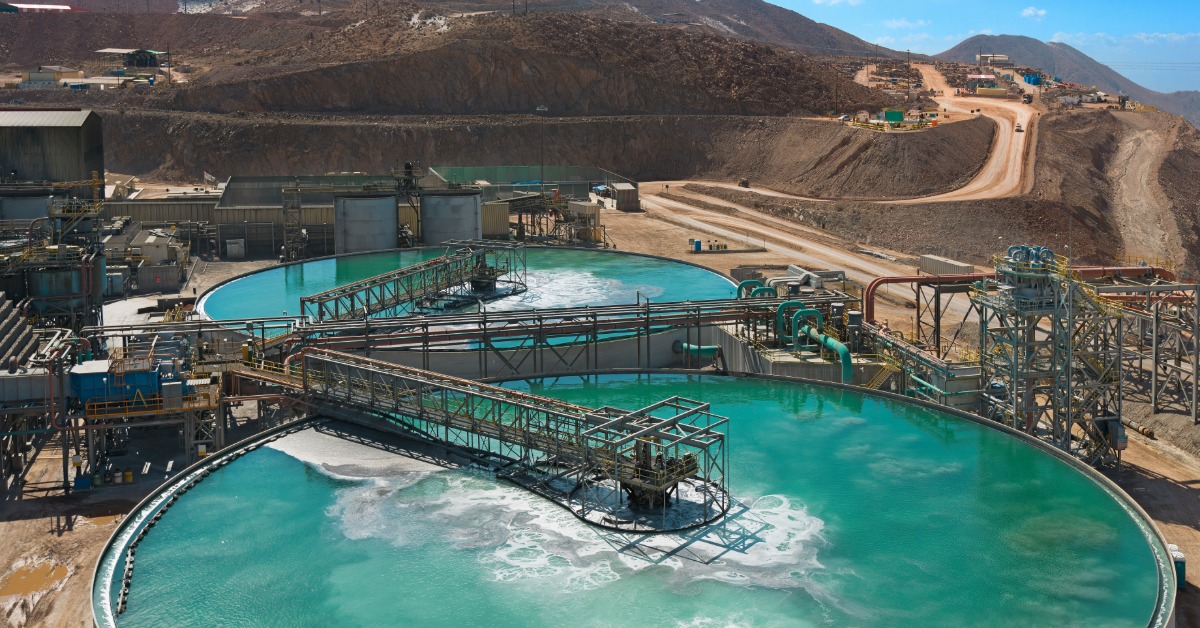
Water tank liners protect stored water and support safe operation across commercial and industrial facilities by preserving tank integrity. For business and facility owners, liner performance directly affects water quality, maintenance costs, and service life.
A water tank liner must do more than hold water. It must maintain a reliable barrier under changing operating conditions. Durability and design work together in every successful tank liner system. A durable material without the right design can fail early, while a well-designed liner made from the wrong material can lose performance under daily use.
This makes liner selection a technical decision rather than a simple product purchase. Facility owners need to evaluate how liner construction, tank conditions, and installation details affect long-term results.
Why Durability Matters in Water Storage
Durability determines how well a liner performs over time under real operating stress. Water tanks face constant exposure to moisture, temperature shifts, hydrostatic pressure, and routine cycling.
When a liner loses strength, flexibility, or surface integrity, the tank faces greater risk of leakage, contamination, and structural damage. Small defects can grow into larger failures when a liner no longer handles the demands of the application.
For facilities that depend on stable water storage, liner durability supports both safety and asset protection. That is why material performance should remain a primary focus from the first design review onward.
Material Selection Drives Performance
Material selection has a direct effect on liner durability. Different water conditions, tank environments, and operating temperatures place different demands on the liner system.
A liner used in potable water storage may require a different set of performance properties than one used in industrial process water. Some applications demand stronger chemical resistance, while others require greater flexibility or better resistance to mechanical stress.
The right material must fit the specific service conditions inside the tank. It should also perform reliably against the substrate and structural movement of the tank itself. Facilities should assess factors such as water chemistry, exposure conditions, seam requirements, and expected service life before starting liner construction. This process helps prevent mismatch between the liner and the operating environment.
Structural Movement and Tank Conditions
Every tank moves to some degree during service. Changes in liquid level, pressure, thermal expansion, and structural loading can affect how the liner performs against the tank wall and floor.
A liner design must account for these conditions instead of treating the tank as a static structure. If the design ignores movement, stress can concentrate at seams, corners, fittings, or transition points.
Concrete, steel, and fiberglass tanks all present different challenges. Surface condition, geometry, attachment method, and substrate behavior all influence the final liner design.
Facility owners should also consider tank age and current condition before selecting a liner. A successful project starts with a clear understanding of the existing structure and the demands it places on the liner.
Design Features That Improve Liner Service Life
Good liner design supports durability at every stage of operation. It addresses fit, anchoring, seam layout, penetration details, and how the liner will behave once the tank returns to service.
Custom fit matters because poor alignment creates stress points and installation complications. A liner that matches the tank geometry more accurately will usually install more cleanly and perform more consistently.
Penetrations, corners, and attachment points need careful engineering. These areas often experience concentrated stress, so design quality in these details can determine whether a liner performs for years or fails prematurely.

Water Quality Protection Starts With the Barrier
Water tank liners play a direct role in protecting stored water from contamination. They create a barrier between the water and the tank substrate, which helps control corrosion, deterioration, and unwanted material exposure.
This barrier supports product quality by reducing contact with damaged or aging tank surfaces. In many facilities, that protection becomes especially important when tanks show surface breakdown.
A reliable liner system also helps maintain cleaner storage conditions over time. When the liner remains intact and stable, operators can manage water quality with greater confidence.
Warning Signs of an Inadequate Liner Design
Not every liner system delivers the same level of protection. Poor design choices often appear later as recurring maintenance issues, leaks, or performance concerns.
Several warning signs can point to a liner that lacks the right durability or design approach:
- Inconsistent fit around corners, floors, or sidewalls
- Excessive stress near seams or penetrations
- Visible wear in high-movement areas
- Repeated repair needs after short service intervals
Custom Manufacturing Supports Better Results
Custom manufacturing gives facility owners a more precise solution for the actual tank environment. Standardized products may work in simple applications, but many commercial and industrial tanks need a liner tailored to exact dimensions and service conditions.
A custom approach allows the manufacturer to address tank shape, substrate type, operating temperature, and connection details during production. That level of control improves fit and supports stronger long-term performance.
It also helps reduce installation issues in the field. When the liner arrives built for the tank instead of adapted on site, the project usually gains better consistency from fabrication through startup.
Installation Quality Protects Design Intent
Even the best liner design depends on correct installation. A poorly executed installation can undermine material quality, seam performance, and overall liner reliability.
Installation teams must follow the design requirements closely and prepare the tank properly before work begins. Surface condition, dimensional verification, attachment details, and field handling all affect the finished result.
Coordination between the manufacturer, contractor, and facility team improves outcomes. When each party understands the design intent, the liner system is more likely to perform as expected in service. Technical support during installation can help protect the value of the liner investment.

Long-Term Value Comes From the Right Combination
Durability and design should never be evaluated separately. A successful water tank liner combines the right material, the right engineering approach, and the right manufacturing and installation process.
This combination helps facilities control lifecycle cost rather than focusing only on initial purchase price. Fewer repairs, reduced downtime, and more reliable water quality all contribute to stronger long-term value.
For commercial and industrial operations, that protection supports more predictable performance across the storage system. It allows owners to manage risk more effectively while protecting both infrastructure and product quality.
What Facility Owners Should Prioritize
Facility owners should start with a technical review of tank conditions, water chemistry, and operating demands. This review helps identify the durability requirements and design features that matter most for the application.
It is also important to evaluate manufacturer experience with similar tank types and service environments. Strong project results depend on informed material selection, sound design, and consistent fabrication quality.
A liner system should solve operational problems, not create new ones. That is why project planning should focus on fit, barrier performance, maintainability, and expected service life from the beginning.
Understanding water tank liner design and durability means looking beyond basic containment. Durability and design determine whether a liner will protect water quality, support tank service life, and perform reliably under daily operating conditions.
For business and facility owners, the best results come from working with a manufacturer that understands tank behavior, material performance, and custom liner construction. Contact Flexi-Liner to find water tank liners for sale designed for long-term safety, durability, and product quality. Enhance your facility containment today with durable and customized solutions.