
High-volume tanks place constant demands on liner systems. Large storage capacity, continuous use, chemical exposure, and changing operating conditions all increase the need for a lining solution that matches the tank’s exact service environment.
Choosing the right liner for a high-volume tank starts with a full understanding of the tank, the stored media, and the facility’s operating goals. Find out how to reduce leaks, control corrosion, limit downtime, and extend tank service life with a well-matched system.
Why High-Volume Tanks Need A Careful Selection Process
High-volume tanks handle more product, stress, and operational risk than smaller systems. When a liner fails in a large tank, the impact often includes production loss, cleanup costs, safety concerns, and expensive repairs.
A lining solution for these tanks cannot rely on general assumptions. Material selection, fabrication quality, installation fit, and long-term performance all need careful review before a project begins.
Start With The Stored Product
The first factor in liner selection is the substance stored in the tank. Water, process chemicals, plating solutions, and waste streams all create different demands on a liner surface.
Chemical composition affects the liner’s resistance to corrosion, swelling, cracking, and premature wear. Temperature, concentration, and exposure duration also shape which lining material will perform well over time.
Water storage may require a different approach than aggressive chemical service. A facility that stores potable water, wastewater, acids, or plating compounds needs a liner designed for that exact use rather than a one-size-fits-all option.
Evaluate Tank Size, Shape, And Construction
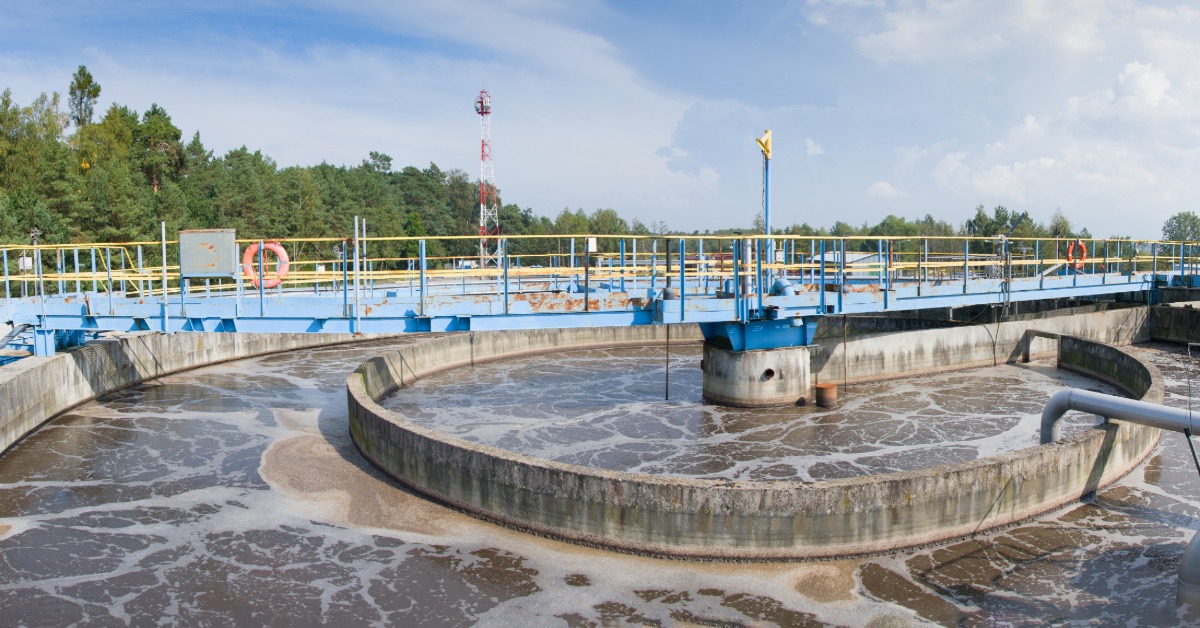
Tank volume has a direct effect on liner design. Larger tanks require precise measurements, proper panel layout, and seam planning that accounts for movement, loading, and installation conditions.
Tank shape also matters. Cylindrical tanks, rectangular process tanks, clarifiers, and specialty industrial vessels each create different fit and anchoring requirements.
The tank’s base material also influences the right solution. At Flexi-Liner, for example, our custom liners are designed for concrete, steel, fiberglass, and redwood tanks.
Consider The Condition Of The Existing Tank
The right lining solution depends on more than chemical compatibility. The condition of the structure underneath the liner plays a major role in long-term performance.
Older tanks may have surface irregularities, corrosion, cracks, or previous repair areas that affect liner support. A proper inspection should identify any structural concerns before fabrication starts. That review helps determine attachment details, cushioning needs, anchoring methods, and any surface preparation required for a secure installation.
Match The Liner Material To Operating Demands
Different lining materials serve different operating conditions. Some liners perform better in corrosive chemical service, while others suit water storage or applications that require flexibility and broad chemical resistance.
Material selection should account for several conditions at once, not just one. A liner may need to resist chemical attack, handle temperature fluctuation, maintain flexibility, and hold up under constant hydrostatic load.
Important selection factors include:
- Chemical compatibility
- Temperature range
- Abrasion exposure
- Tank geometry
- Required service life
- Installation environment
This type of review helps narrow the field to materials that fit the application instead of forcing the application to fit the material.
Look Beyond Material Alone
Material matters, but liner success depends on the full system. Fabrication accuracy, seam quality, dimensional fit, and installation practices all influence whether a liner performs as intended in a high-volume tank.
Large tanks leave little room for error. Minor fit issues in a small vessel may become major installation problems in a large storage tank with more surface area, more load, and more demanding field conditions.
That is why custom manufacturing remains important for high-volume applications. A liner designed around the actual tank dimensions and service requirements provides a stronger path to long-term performance than a generic stock product.
Plan For Installation Conditions Early
Installation should never become an afterthought during liner selection. Access limitations, tank height, confined space requirements, shutdown windows, and site safety rules all affect which solution makes sense.
A liner must not only perform after installation but also install efficiently within real jobsite conditions. Large tanks often require careful sequencing, coordinated labor, and exact field handling to avoid delays or damage.
The Role Of Tank Lining Contractors
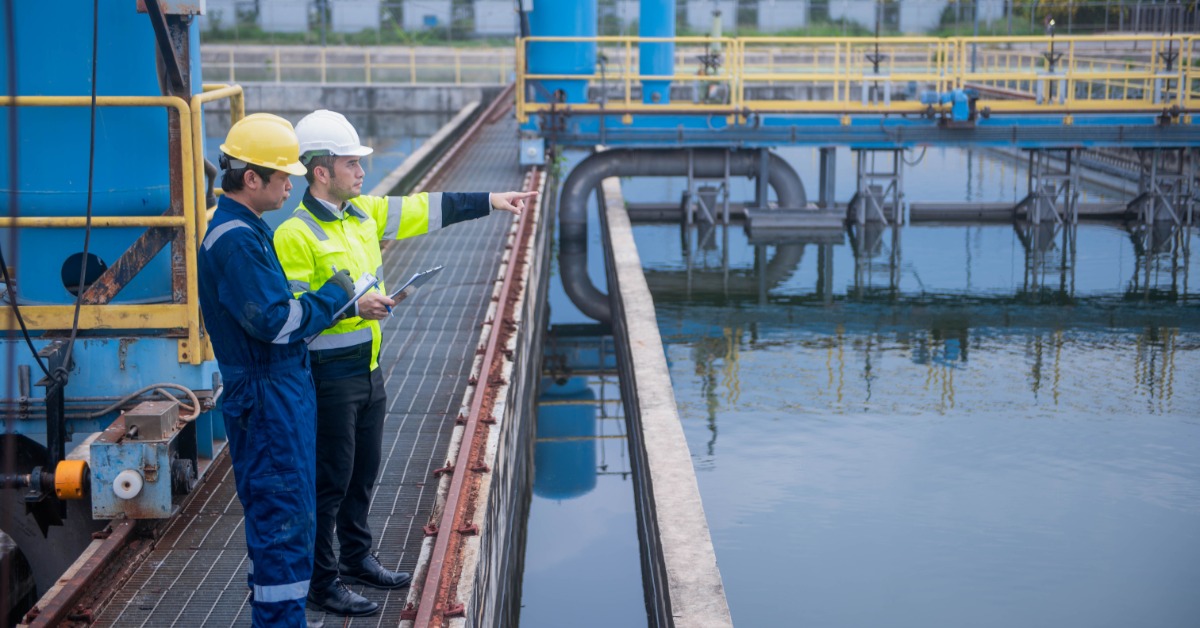
Even the best liner design can underperform if installation quality falls short. Experienced tank lining contractors help protect the value of the liner by following proven procedures for handling, positioning, seaming, anchoring, and final inspection.
High-volume tanks often involve more field variables than expected. Tight access points, aging infrastructure, unusual layouts, or production schedules can all complicate installation and increase the need for experienced field coordination.
Facility owners should rely on contractors who understand large-tank applications and work effectively with the liner manufacturer. That coordination helps reduce avoidable issues and supports a cleaner, more efficient installation process.
Think About Long-Term Maintenance And Service Life
Choosing a liner for a high-volume tank should include a long-term view. The lowest upfront price does not always lead to the best value if the system requires frequent repairs, early replacement, or extended shutdowns.
A strong lining solution supports easier maintenance planning and more predictable performance. Service life depends on matching the liner to actual operating conditions from the start. When facilities choose based on proven compatibility, fabrication quality, and installation planning, they place the tank in a better position for reliable use.
Work With A Manufacturer That Understands Custom Applications
High-volume tank projects benefit from manufacturer involvement early in the process. A qualified manufacturer can help review application details, identify performance risks, and recommend a liner system that aligns with the tank’s actual operating demands.
That depth of experience matters when a project involves complex geometry, corrosive contents, or strict performance expectations. Large tanks require more than a standard product. They require a lining solution built for the application.
Choosing the right lining solution for high-volume tanks requires a full review of stored media, tank condition, substrate, operating environment, and installation demands. The best results come from pairing the right material with accurate fabrication and experienced project coordination.
Flexi-Liner manufactures custom tank liners for demanding water and chemical applications and works with contractors and engineers to support proper fit and long-term performance. Contact Flexi-Liner to discuss a lining solution built for the specific requirements of a high-volume tank.