
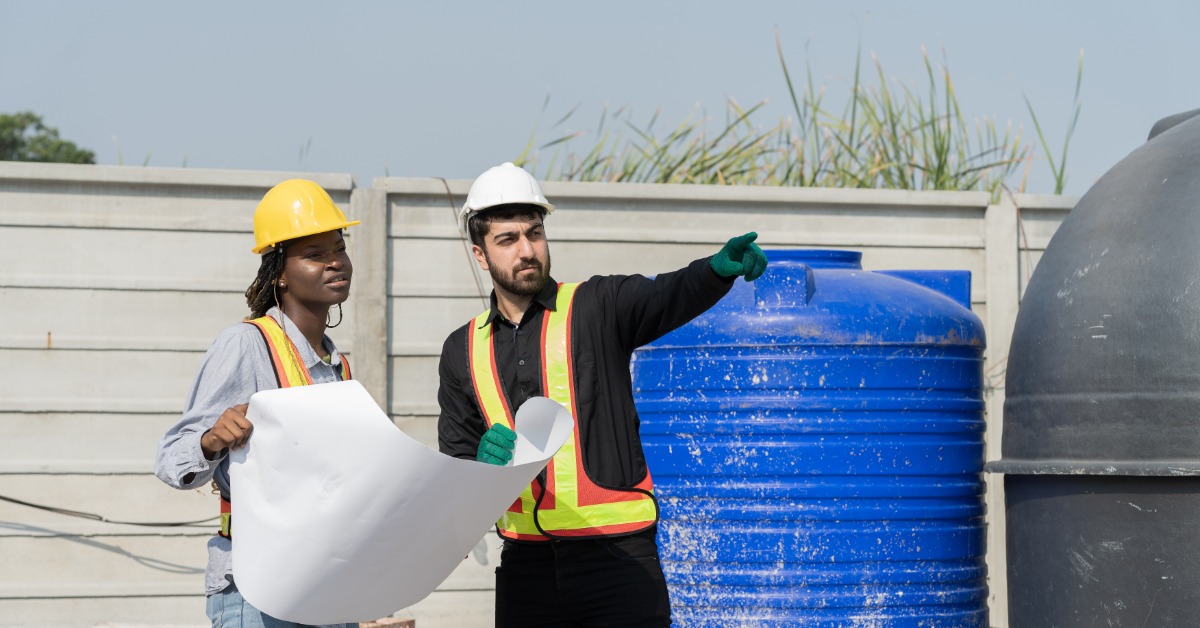
Commercial tanks play a critical role in water treatment, chemical processing, plating operations, and industrial storage. A high-quality liner helps protect the tank structure, maintain product integrity, and reduce corrosion-related damage.
Installation determines whether that liner performs as intended. Even a well-manufactured liner can fail early when crews overlook fit, surface conditions, anchor details, or field measurements.
Treatment plant operators and facility owners often focus on liner material selection first. Material matters, but installation quality has the same level of importance because it directly affects service life, leak prevention, and long-term operating costs.
Today, delve into why quality commercial tank liner installation is so important, including creating a reliable barrier and more. That barrier helps reduce corrosion, limit contamination, and support dependable tank performance in demanding environments.
Installation Protects The Full Value Of The Liner
A commercial tank liner does not function as a simple drop-in product. Each system must match the tank’s dimensions, penetrations, operating conditions, and structural characteristics.
Precise installation allows the liner to conform correctly to the interior geometry of the tank. That proper fit reduces stress at corners, seams, nozzles, and attachment points where many failures begin.
Small mistakes during installation can create large problems over time. Wrinkles, tension points, poor seaming, and inadequate anchoring often lead to premature wear or leakage. Improper installation puts tank investments at risk and can erase the cost savings the liner was meant to deliver.
Proper Fit Helps Prevent Leaks
Leak prevention stands at the center of every liner project. A poorly fitted liner may leave gaps, lift at connection points, or strain around tank features that require close tolerances.
When a liner does not sit correctly against the tank interior, stored water or chemicals can migrate into vulnerable areas. That movement can damage the tank shell, weaken supporting materials, or create sanitation and maintenance concerns.
Accurate field measurements support proper fabrication and successful installation. Installers must account for floor slopes, wall transitions, embedded fixtures, ladders, outlets, and overflow structures before the liner reaches the site.
Careful installation also matters after fabrication. Crews need to position, align, and secure the liner without creating stress points that can compromise watertight performance.

Surface Preparation Affects Long-Term Performance
Commercial tank liner installation begins long before the liner enters the tank. The condition of the substrate has a direct effect on performance and durability.
Rough edges, protrusions, corrosion, residue, and structural irregularities can damage the liner during installation or after startup. Surface preparation removes those hazards and creates a cleaner, safer contact area.
Water treatment and industrial facilities often operate under demanding schedules. Rushed preparation may seem like a time saver, but it often leads to repairs, operational interruptions, and higher total costs later.
A properly prepared surface supports even liner placement and reduces the chance of abrasion. That foundation helps the liner maintain its integrity under routine filling, emptying, and thermal changes.
Installation Supports Corrosion Control
Many commercial tanks hold water, chemicals, or process solutions that can attack steel, concrete, fiberglass, or wood substrates over time. A liner serves as a protective barrier, but only when installation creates complete and reliable separation.
Improperly sealed penetrations or loose attachment areas can expose the tank wall to moisture and corrosive contents. Once corrosion begins behind or around the liner, repairs become more complex and expensive.
Corrosion control depends on consistency across the entire system. The liner, seams, attachment details, and transitions all need to work together without weak points. A skilled crew understands where failures typically start and how to avoid them during the fitting and anchoring process.
Tank Geometry Creates Installation Challenges
Commercial tanks rarely present a simple, uniform shape. Many include interior supports, pipes, access hatches, mixers, level controls, and custom structural elements that require precise adaptation.
These features create areas where liners must fit tightly without tearing, bridging, or bunching. Installation crews need experience with custom layouts and tank-specific details to handle those transitions correctly.
Treatment plant and facility owners should expect installation planning to address more than basic dimensions. Successful projects also consider operating temperatures, chemical exposure, fill cycles, and maintenance access.
Poor Installation Can Increase Downtime
Tank liner projects often take place during maintenance windows, upgrades, or urgent repair periods. Facilities need the tank back in service as quickly as possible, but speed cannot come at the expense of installation quality.
Poor installation can trigger leaks, adjustments, or rework soon after startup. That outcome often results in unscheduled downtime, lost production, and additional labor costs.
Proper installation reduces the likelihood of early problems that force the tank out of service again. A well-executed project supports smoother startup and more stable long-term operation.

Installation Quality Helps Support Compliance And Sanitation
Many commercial tanks operate under strict quality, safety, or environmental requirements. Water storage and treatment applications require dependable containment and cleanable interior conditions.
Poorly installed liners can trap debris, create irregular surfaces, or allow moisture intrusion behind the barrier. Those issues can complicate inspections and maintenance while raising concerns about cleanliness and system integrity.
Quality matters for both regulators and owners. A liner system that performs as intended can help reduce risk across operations, maintenance, and asset management.
Proper Installation Extends Tank Service Life
One of the main reasons facilities choose a liner is to extend the useful life of an existing tank. That goal depends on installation just as much as material quality.
When the liner fits properly and shields the substrate from direct exposure, the tank can remain in service far longer than it might without protection. That added life helps delay costly replacement projects and major structural repairs.
Long-term value comes from doing the job correctly the first time. That approach helps facility owners protect both the tank and the budget.
Experience Matters In Commercial Tank Projects
Commercial tank liner installation requires more than general field labor. It calls for product knowledge, measurement accuracy, fabrication coordination, and a clear understanding of how liners behave in real operating conditions.
That is why experience matters when selecting a manufacturer and installer. The right partner understands how to translate design requirements into a liner system that performs in the field.
Facility owners should look for a tank lining company that works closely with contractors and engineers during planning and installation. That collaboration helps reduce errors, improve fit, and support leakproof performance over time.
Choose Installation Quality From The Start
Proper commercial tank liner installation protects more than the liner itself. It protects the tank, the stored contents, the maintenance budget, and the reliability of the entire operation.
For treatment plants and facility owners, installation should never remain an afterthought. It should stand as a core part of the purchasing decision because performance in the field depends on how the liner gets measured, fitted, and secured.
Flexi-Liner delivers custom tank liner solutions backed by decades of experience in corrosion control and containment. Contact Flexi-Liner to discuss a commercial tank project and get a liner system designed for proper fit, reliable performance, and long-term value.