
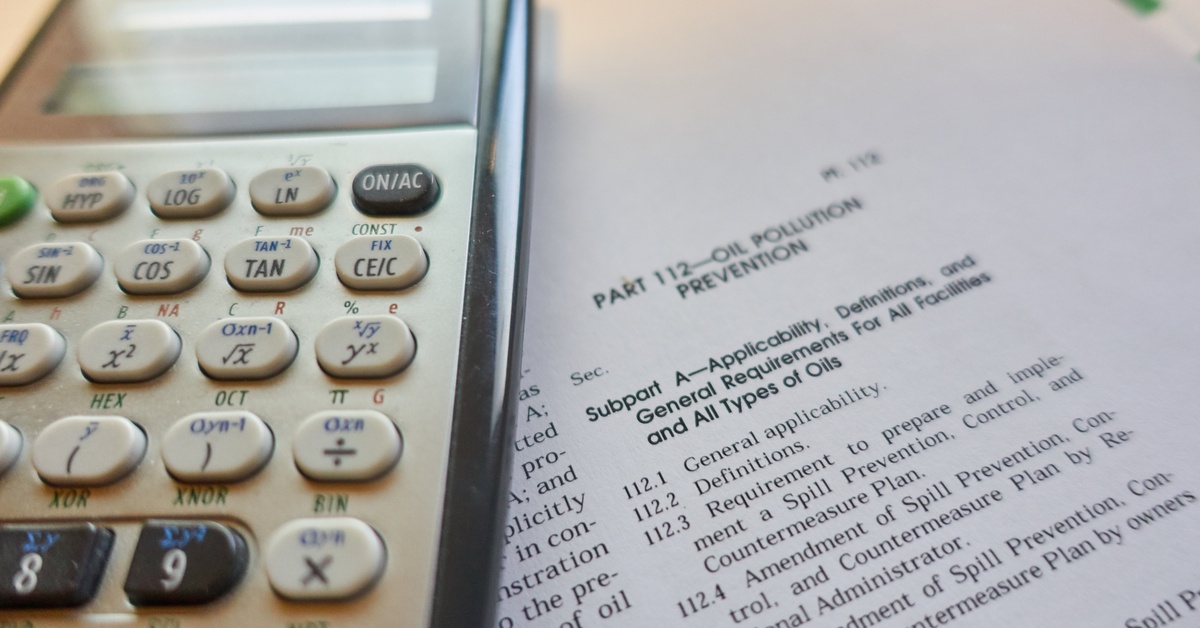
For industries relying on chemical storage, water treatment, or heavy industrial processing, meeting EPA regulations is a daily operational necessity. The fines for non-compliance are steep, but the cost to your reputation and the environment can be even higher.
At the heart of this compliance challenge lies your storage infrastructure. Tanks that store hazardous chemicals, potable water, or wastewater are primary targets for regulatory scrutiny. A single mistake can lead to leaks that violate the Clean Water Act or the Resource Conservation and Recovery Act (RCRA).
This is where the integrity of your containment system becomes critical. High-quality tank lining is often the most effective, cost-efficient way to ensure that barrier holds. As a dedicated tank lining specialist, we have seen firsthand how the right liner system transforms aging infrastructure into fully compliant, secure storage assets.
What Are EPA Regulations and Why Do They Matter?
The Environmental Protection Agency (EPA) enforces a wide array of regulations designed to protect human health and the environment. For businesses utilizing storage tanks, these regulations generally center on preventing hazardous substances from entering soil, groundwater, or surface water systems.
One of the most critical frameworks is the Spill Prevention, Control, and Countermeasure (SPCC) rule. This rule specifically requires facilities to develop plans to prevent oil and chemical discharges. If your facility stores oil or hazardous substances, you are legally obligated to ensure your containers are structurally sound and compatible with the materials they hold.
Failure to comply carries significant consequences. The financial impact is often the most immediate concern. EPA fines can reach tens of thousands of dollars per day per violation. However, the indirect costs often hurt more. If a leak is detected, your facility could face mandatory shutdowns for remediation. This halts production, disrupts supply chains, and impacts revenue.
The Role of Tank Lining in EPA Compliance
The EPA requires that your primary containment vessel be impermeable to the substance it stores. This sounds simple, but the reality of industrial storage is harsh. Steel tanks corrode. Concrete tanks crack and spall. Fiberglass can degrade under UV exposure or chemical stress.
Tank lining serves as the ultimate safeguard against these structural inevitabilities. By installing a custom-fabricated liner, you create a new, impermeable bladder within the existing structure. This separates the stored liquid from the tank shell, effectively neutralizing the risk of leaks caused by structural degradation.
Preventing Groundwater Contamination
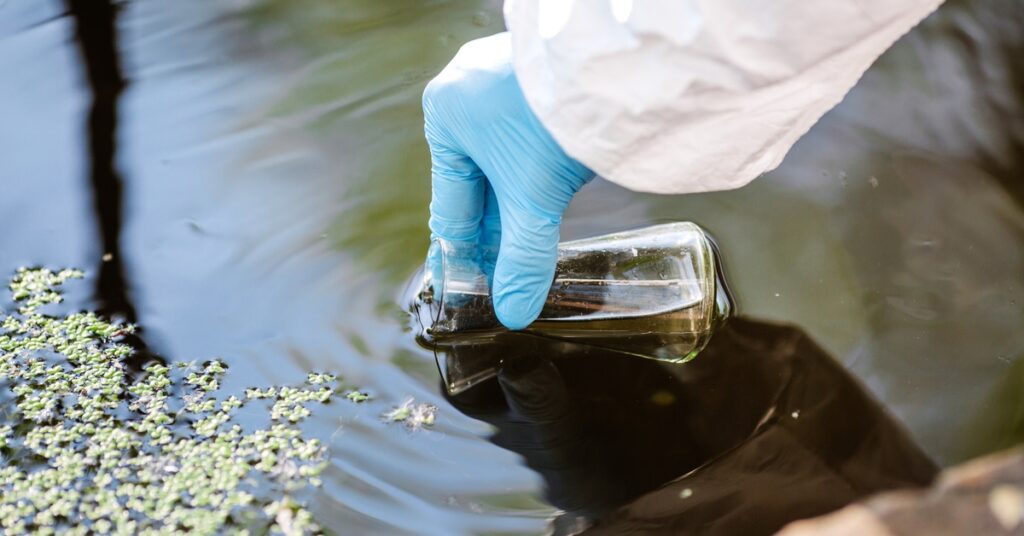
The most common EPA violation regarding tanks involves slow, undetected leaks into the soil. A concrete tank might look solid from the outside, but micro-fractures can allow chemicals to seep out over months. A flexible tank liner bridges these cracks.
Because the liner is independent of the tank wall, it maintains its integrity even if the substrate shifts or cracks further. This creates a secure barrier that keeps chemicals inside the tank and out of the water table.
Ensuring Chemical Compatibility
EPA regulations heavily emphasize compatibility. This is a common issue when facilities repurpose tanks for different chemicals. A steel tank might have been fine for water, but if you switch it to storing a caustic solution, you risk a rapid breach.
High-performance tank liners solve this by providing a chemically resistant interface. We can select specific liner materials tailored to the exact chemical profile of your inventory. This ensures that even if the outer tank shell isn’t compatible with the new contents, the liner is. This flexibility allows businesses to adapt to new production needs without violating compatibility regulations.
Key Features of Effective Tank Lining
To satisfy regulatory inspectors and ensure long-term peace of mind, the lining system must meet high standards of performance. As a tank lining specialist, Flexi-Liner prioritizes three key features that directly impact compliance: chemical resistance, durability, and customization.
Tailored Chemical Resistance
There is no “universal” liner. A material that works perfectly for brine might fail catastrophically when exposed to sulfuric acid. Effective compliance requires matching the liner material to the specific chemical environment. This includes considering the concentration of the chemical and the operating temperature.
High-quality liners are fabricated from advanced materials like PVC, urethanes, and specialized copolymers. These materials are tested rigorously to ensure they do not degrade, swell, or become brittle when in contact with specific industrial chemicals.
Durability and Temperature Tolerance
Industrial processes often involve heat. A tank storing hot water or heated chemicals puts thermal stress on the containment system. Coatings often fail in these environments because the expansion and contraction of the tank cause the coating to flake or peel.
Flexible tank liners are designed to handle thermal expansion. They “float” inside the tank, moving independently of the shell. This elasticity allows them to withstand temperature fluctuations without compromising their structural integrity. Durability also means resistance to abrasion and mechanical damage, ensuring the liner lasts for decades rather than just a few years.
Customization and Retrofitting
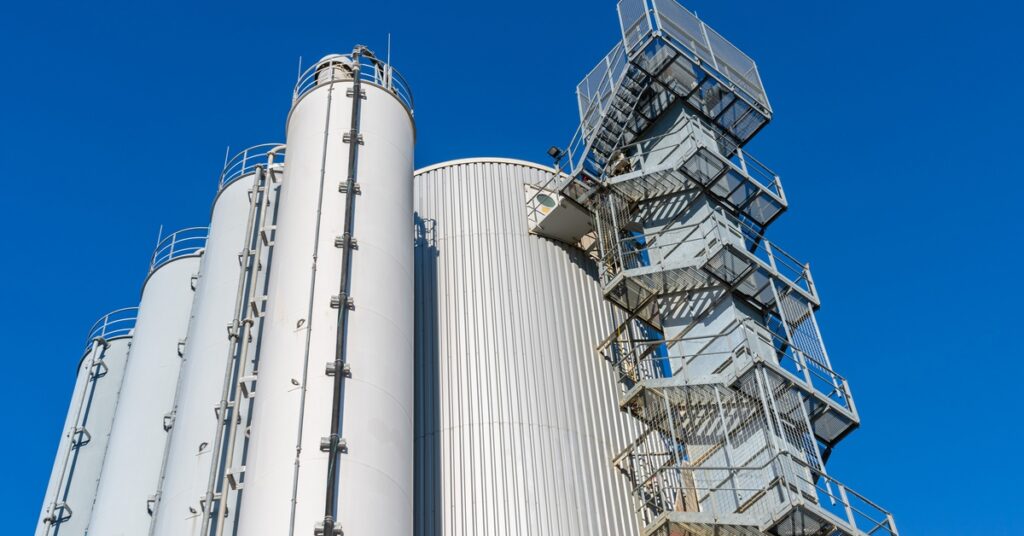
One of the biggest challenges for EPA compliance is bringing older tanks up to current codes. Replacing a massive underground tank or a large silo is often cost-prohibitive and logistically impossible.
Customization is the solution. Effective tank lining involves fabricating a liner to the exact dimensions of the existing tank, regardless of its shape or condition. This allows you to retrofit a 50-year-old tank and give it the containment security of a brand-new vessel. This ability to rehabilitate existing assets is a major advantage for businesses looking to meet regulations without blowing their capital expenditure budget.
Securing Your Compliance Future
Meeting EPA regulations with proper tank linings is essential for the longevity and legality of your business operations. It protects the environment, your workers, and your bottom line. Relying on aging, unlined tanks is a gamble that no modern business should take.
The transition to a compliant, secure facility doesn’t have to be complicated or exorbitantly expensive. By utilizing advanced tank lining solutions, you shore up your primary containment defenses and eliminate the risks associated with leaks and corrosion.
Don’t wait for an inspection notice or a leak to address your tank integrity. Take control of your environmental footprint today. Reach out to our team at Flexi-Liner to discuss your current storage challenges. We can assess your tanks and engineer a lining solution that keeps you compliant for years to come.